
 I originally posted this on
  Now that Fiat Chrysler Automobiles is proposing to merge with French automaker Groupe PSA, Chrysler employees may be faced with their fourth culture, and probable name, change since 1998. That was the year the all-American Chrysler Corp. merged, was usurped, gobbled up, by Daimler Benz AG of Germany, creating DaimlerChrysler.
Since then the Germans off-loaded the American side of the company as the “merger of equals” ended in divorce in 2007. Chrysler quickly found a new sugar daddy in Cerberus Capital Management, which had zero experience in the auto business and it all fell apart less than two years later amid the recession and the company’s bankruptcy.
In June, 2009, the late Fiat CEO Sergio Marchionne swept in to save the company, marrying it to the Italian automaker, eventually creating what it is today, and for the time-being, Fiat Chrysler Automobiles.
I joined DaimlerChrysler in 2005 to establish and run its digital communications team after more than 30 years as a broadcast and print journalist. It didn’t take long to lock onto the corporate culture, heavily influenced by the Germans, who were basically the senior partner. Business attire was the norm, saying “ja” to directives from Stuttgart was expected and the free coffee available in the headquarters was your basic grocery store stuff. Some employees tried their best to learn German, especially those who were summoned to Deutschland for any period of time.
Flexibility wasn’t really in the German vocabulary. When we collaborated on ideas, say, for a new website, our thoughts were considered suggestions. Those from our German counterparts were orders.
During one of my visits to Stuttgart one of my American colleagues who was on a six-month exchange stint there asked the leader of a meeting if they could conduct it in English for my benefit. The answer was a swift and angry “nein!” I didn’t bother sitting in. I took four years of German in high school and college but I wasn’t taking that discourtesy.
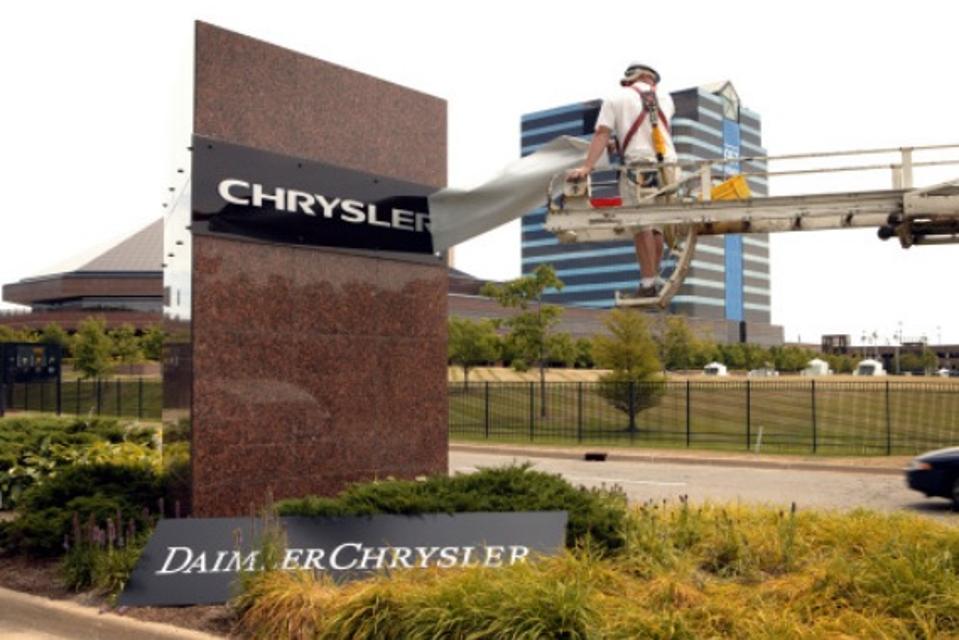
Workers replace the DaimlerChrysler sign with a sign reading Chrysler after being purchased by … [+]
FIAT CHRYSLER AUTOMOBILES
When we heard, through a news report, our side of the company was in play we rejoiced, hoping to regain a totally American management, culture and name. Well … Cerberus was the devil we didn’t know. We got the name Chrysler Group LLC and the American management but they had no clue as to how to run an auto company.
The culture was one of constant fear because they had these guys with clipboards walking up and down the aisles in our office suites taking note of how many workers there were and ostensibly making decisions on who should stay and who should receive a cardboard box and told to take a hike. A strange man with long, white hair took over one of our offices. He equipped it with “the best white board possible” and wrote a bunch of stuff on it. Again, we figured he was plotting the demise for many of us. We were right.
Indeed, during the Cerberus corporate slumlord era little was accomplished as thousands of employees, many who had been at the company for decades, were handed those cardboard boxes for the purpose of filling them with the stuff from their desks and walked out the door for good.

The late Sergio Marchionne addresses Chrysler employees on June 10, 2009 at the Chrysler Technical … [+]
FIAT CHRYSLER AUTOMOBILES
Then, on one magnificent day, it all changed. On June 10, 2009, employees were invited to gather in the main well of the massive Chrysler Technical Center in Auburn Hills, Michigan. With the deal done, there was no sign of anyone from Cerberus in the crowd. Our new leader, Sergio Marchionne rode in on an electric cart. He was wearing a dark golf shirt, hair a little askew and as thousand of workers hung in rapt attention from the four tiers of the open space called Tech Plaza, all the misery of the past two years was swept away with the modest, but reassuring words from Marchionne. We would be a team, working together. He had respect for our work and our talents and had no doubt we would be ultimately successful, despite the horrible times we had just endured. He even tossed in a few words in Swahili.
The culture had instantly changed again to one of optimism, strength and confidence. Suits and ties were left hanging in our closets as Marchionne’s preference for golf shirts and black sweaters set the tone for a more relaxed dress code. That didn’t mean a relaxation in work ethic or expectations. In fact, Marchionne held us to the highest standards, we were just a lot more comfortable pursuing them.
Ah…and then the coffee. I always arrived early to the office. On the first day of the Fiat regime my Italian boss came by and asked where he could find some coffee. I had to tell him he had two choices…the free Folgers in the pot in the hallway, or we could go down to the little sundry shop where he could purchase Starbucks. He thought for a quick moment, sighed, and asked me to take him to the Starbucks. He filled his cup, sniffed it, made an unhappy face, and softly, but firmly informed me, “this will not continue.” By the end of the next day we had an espresso/cappuccino machine in the office, as did many of the other offices in the building.
With the French soon in the mix, I imagine employees may find fresh, flaky croissants to go with their morning espressos. If so, they’ll need to savor that treat, before the culture changes again.
Authors note: I worked at the various iterations of Chrysler from August, 2005 until July, 2016 in the company’s corporate communications department.
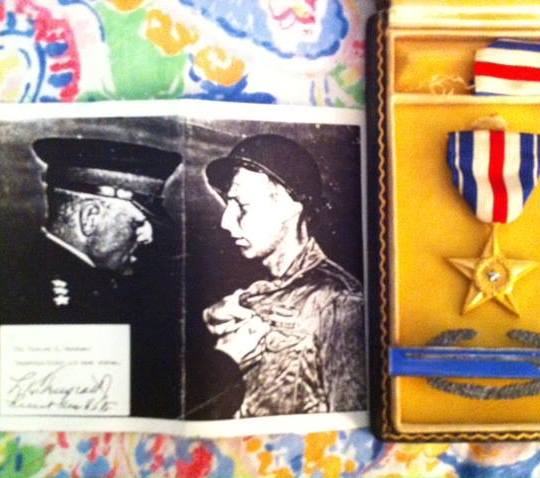
 I got behind a Kia Telluride the other day and couldn’t help admiring the brand’s new SUV. In fact, I had considered buying one when I was in the market for a new full-size SUV last year and gave it a good look at the Detroit Auto Show. I ultimately chose a Subaru Ascent. You see, even if the Ascent didn’t win me over by a few salient points, I couldn’t have bought the Kia anyway.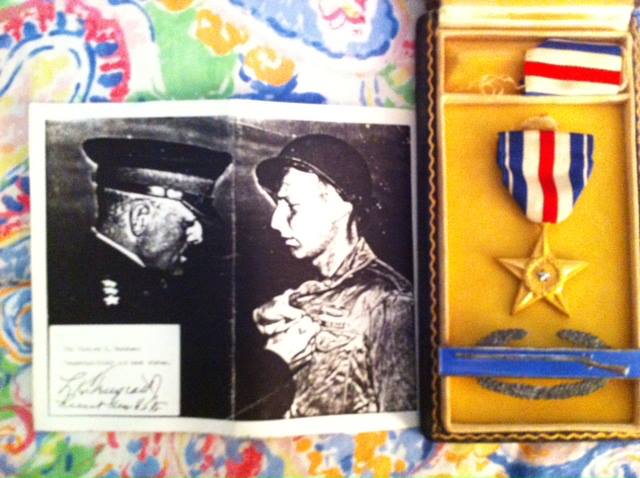
 “Yes,” I told him. “That’s the name of a South Korean automaker that just started doing business here in the U.S.”
  I explained that KIA stood for something in Korean that has nothing to do with the Army designation and that they were pretty good cars.
  edLINES