Category: Uncategorized
Consulting Adults
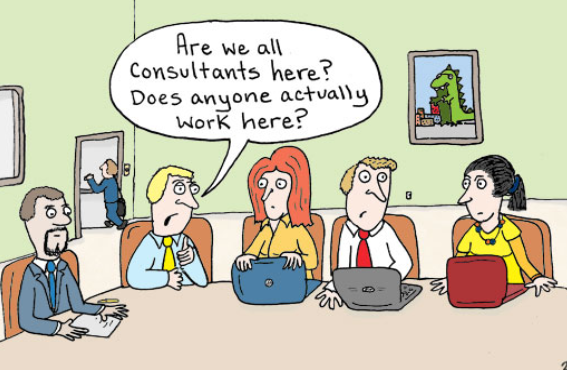
My first contact with a consultant came in 1979 at my first TV job. While attending grad school at the University of Arizona I landed a job as the weekend weather guy at the ABC affiliate in Tucson, KGUN.
I took to the job right away. After several years working as a morning drive time radio DJ, I was comfortable working without a script, ad libbing based on my map and information from the weather wire.
Our station was blessed with a great talent pool but crappy ratings, so they hired consultants based in Southfield, Michigan. The firm consisted of two former/failed news directors and an alleged “style” expert whose personal style was a cross between dust mop and tent maker.
I won’t waste a lot of words. They were crap. They had our main male anchor so self-conscious he actually wrote notes to himself onto the set: “Don’t over emote, don’t move your shoulders, don’t touch your pee-pee.” He added that last one in as a sign of rebellion.
They came after our elegant and talented main weathercaster imploring her to “act naturally.” When she protested that she WAS acting naturally, they told her to “act naturally another way.”
When it was my turn for consultant-certified scrutiny they seized on that fact that when only a little bit of rain was forecast, I would use the word “spritz.”
“Oh! That’s too eastern!” the consultants complained. I replied, “you mean too Jewish?” Busted. They looked at their shoes and moved onto my hair
Indeed, my viewers loved when I used that term and often joked with me when I was out in public, “hey Ed, is it gonna spritz today?” It was an everyday term back where I grew up in New York City, but a novelty in the desert southwest.
Turns out we dumped them because after two ratings periods under their “expert” guidance, our ratings actually fell even further.
What this whole prologue is leading to is I promised myself if I ever ended up as a consultant I could provide useful counsel based on my decades of experiences, while being sensitive to the company’s culture, goals and needs, not boilerplate nonsense.
So far, my two experiences consulting have mixed. In both cases I was told my experience would be valuable, helping staff improve their skills and opening the company’s eyes to new, or at least different angles for attacking certain issues.
After all, I built my reputation as a strong writing and producer covering thousands of stories as a reporter in radio, local TV, CNN, AP, Detroit News before jumping over to corporate PR.
During my 11 years at the various incarnations of Chrysler, I was known as a creative problem solver and innovator, pioneering the concept known as corporate journalism and introducing new methods and technologies, boosting the company’s exposure while saving it millions of dollars through efficiencies and bringing certain functions in-house.
Even before my last day on the job I was approached about lending my expertise to a news organization that was primarily print and online but contained a video element.
“You could teach us so much!” I was told.
Hmm. At first I was welcomed, but as time went on I detected several flaws in their TV production process and attempted to set them straight.
Oh! He’s gonna tell us we’ve been doing it wrong? Yeah. Change is hard. Doing it the same old way even if it’s wrong is easy. See ya, Ed!
The next one started more promising and lasted a few years until the company decided a consultant was really just a spare guy.
No…a consultant is not your spare writer, photographer, gofer, story pitcher. A consultant is there to advise and instruct your people already in those roles how to improve their performances or advise management on certain strategies.
What happens is people who are insecure, or perhaps in over their heads in their current roles, become very jealous and resentful of the outside consultant.
Honestly, consultants don’t want your job. We’re here just to help you do it better. If you can’t accept critique and instruction, perhaps you’re not mature or talented enough to remain in your position.
By no means are all consultants valuable or effective, as my experience back in Tucson attested.
If your company decides a consultant might be helpful, you need to really research the consultant’s track record of improvement, connect with current or former clients and then have that in-person conversation with the prospective advisor to see if it’s a good fit.
You also have to define the scope of work answering a few questions:
1-Why do you feel you need a consultant?
2-What skills and experiences does a consultant need to provide the counsel you seek?
3-How open is your corporate culture to accepting new ideas from outside the organization?
4-How will you prepare the staff for both scrutiny and direction from an outside source and why you feel it’s necessary?
Look, you don’t have to accept or adopt anything a consultant suggests, but by hiring one you’ve al least shown you’re open to examination, scrutiny and considering new ideas.
When it works, it’s a beautiful thing. When it doesn’t, admit it, don’t leave the consultant hanging. Be respectful, professional and courageous enough to end things decisively, informing the consultant why the engagement is ending.
Then you can both move on…without spritzing on each other’s parade.
Brief Encounters With Robert Duvall and Jesse Jackson
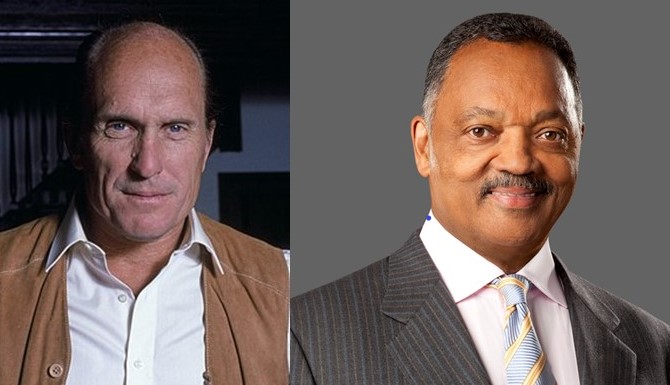
I won’t make either of these anecdotes bigger than they are. They’re just about little moments, brief encounters, with two notable gentlemen who left us this week.
I’ll start with one that involved no words between us. It was back in 1982 when I was a producer for what was then known as CNN2, later Headline News.
It was a slow Sunday and I was struggling to find enough stories to fill out my rundown for my back-to-back 30-minute newscasts.
The deadline to get the thing done and hand it over to the writers was looming and I was feeling the pressure.
We often had visitors come through the newsroom and I noticed one of them standing a little too close to me, trying to look over at my computer terminal to see what I was doing.
He was a short, balding man. Very quiet, but apparently curious as to what I was furiously working on.
Honestly, it was distracting to me and I didn’t need a stranger’s enquiring eyes boring in at that moment.
Finally, he moved on and as the supervising producer walked by I asked who was that little bald guy hovering in my space.
“Oh, just a guy taking a tour,” the supervisor said with a hint of sarcasm. “His name is Robert Duvall….he’s an actor.”
Yeah..just an actor. Robert, freakin’ Duvall..whose characters loved the smell of napalm in the morning and served the Godfather. Some little bald guy. Some incredible actor. Some clueless young producer who was so immersed in his own little task he missed the chance to have an actual word with one of the foremost actors of our time.
Except, for those brief moments, he seemed to be aware of me, and interested in what I was doing. I’ll take the win, and the memory.
The second little story involved the late Rev. Jesse Jackson. It was around 1987. By then I had been elevated to a correspondent at CNN out of its southeast bureau, based in Atlanta.
I had interviewed Jackson once before very briefly and I doubted he’d ever remember me. But he also hosted a program on CNN, so it was all in the family.
Long after that initial interview I was assigned to cover Jackson and a group he led presenting aid to drought-stricken farmers near Greenville, South Carolina.
As he and his contingent arrived, I started to approach him to grab a few words.
But before I could get too far, Rev. Jackson gave me a look and a subtle hand signal that telegraphed two messages: “not quite yet,” and “don’t worry, we’re CNN brothers,” but mostly, “back off.”
I quickly understood. Ever the media-savvy, and frankly, publicity-loving figure, Rev. Jackson and company staged an emotional photo op with the grateful farmers.
Once he was sure all the news crews got their shot, Jackson came over to me, smiled a little sheepishly and said, “thanks for getting the signal. Now, let’s talk.” And we did.
Yeah, sure, not giant stories, but little moments to recall related to a couple of disparate notables, and revel in how the privilege of being a journalist often presents the opportunity to encounter some very special people. May they both rest in peace.
How Calling Audibles Can Save Your Ass…and Your Kidney
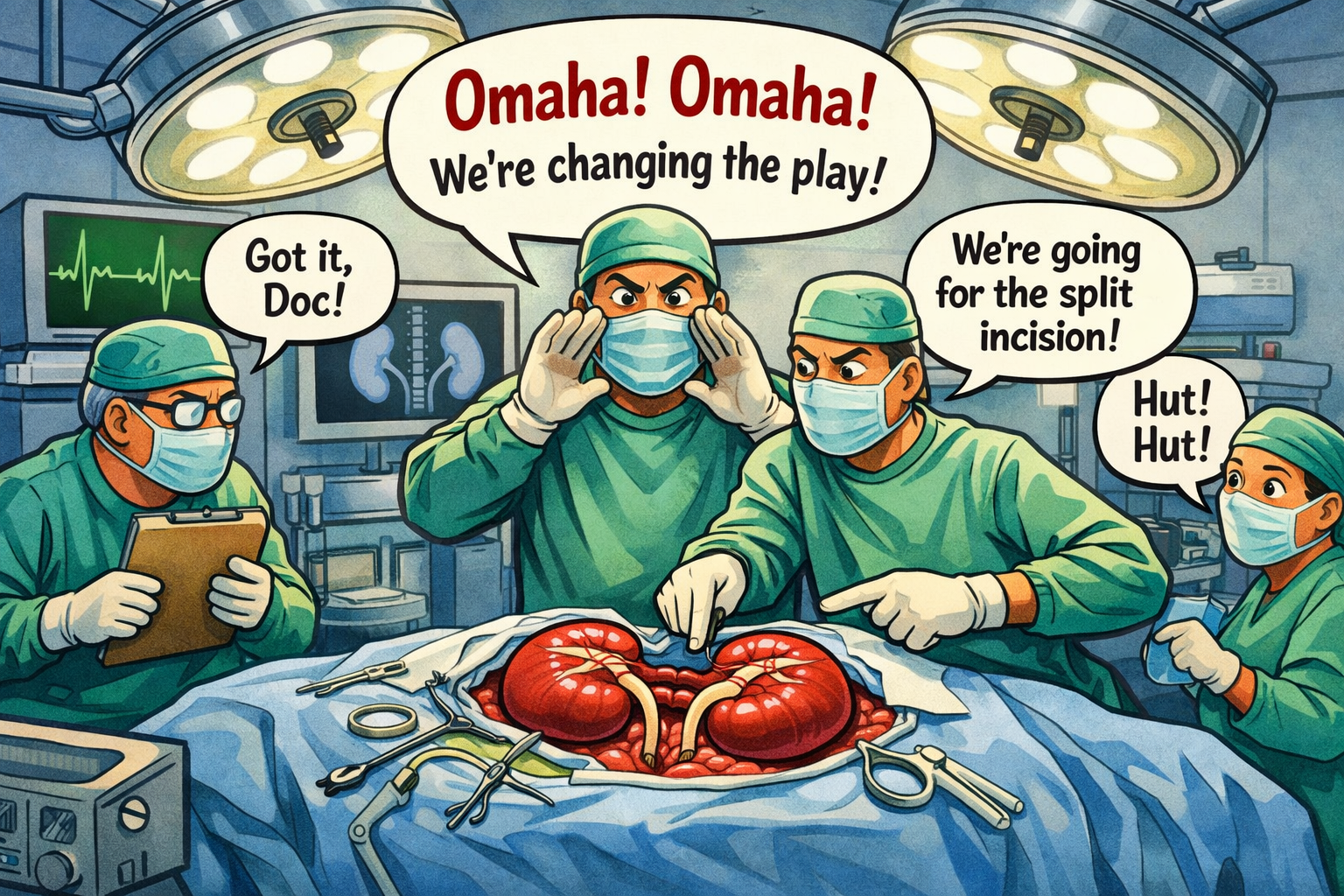
Ahead of Super Bowl Sunday, which coincides with my birthday, it seems like an appropriate time to discuss audibles…and my left kidney. Stay with me in the story below to understand the relationship and what lessons there are for all of us faced with those on-the-spot decision that can be the difference between a big gain or being thrown for a loss.
Last Friday a team of doctors, and robots, conducted what’s known as a pyeloplasty to repair a blockage where my left kidney empties into the ureter..one of two tubes on the wee-wee superhighway that sends the stuff to the bladder.
Such a blockage can basically reduce the kidney’s functionality to the point where it’s useless and must be removed. Who wants that? You start with two, you like to end with two.
In the simplest of terms, it’s a matter of snipping out the blockage, sewing together the truncated tube. Going into the procedure, which takes about three hours, based on a previous MRI the doc already knew there was a little complication. Looked like a tiny blood vessel had wormed its way onto the ureter causing the blockage. If they could move it, the full pyeloplasty might not be necessary.
Now skip ahead to the big game.
Imagine Seattle quarterback Sam Darnold peering over the scrimmage line at the Patriot’s defensive formation ahead of the snap. Crap. The planned play was a play action pass but the Pats are lined up in telltale blitz formation and the Seahawk’s O-line had been leaky thus far.
That would mean Darnold would have to get rid of the ball quickly before he’s swarmed, rather than drop back in a weak pocket for a pass.
Time to call an audible. Screw the pass, it’s now a quick handoff for a short gain. Better than being sacked for a loss.
That’s sort of what happened in operating room 2 last Friday. Just when the docs had their plan they noticed a cyst creeping up in the vicinity of the blockage. Getting to be a bit of a traffic jam in Ed’s tube!
According to my doc’s telling of the story they quickly called an audible in their sterile, hushed huddle.
It went something like this:
Doc 1: Shit…cyst !
Doc 2: OK…bust it!
Doc 1: Cyst busted! Now what?
Doc 2: Could still be a problem. Do the pyeloplasty anyway?
Docs 1 and 2 agree that would be the best strategy for a more permanent repair.
The quickly changed plan was successful.
Major gain.
Indeed, it seems like we’re faced with calling audibles all through life. We had a plan, or expectation but something came up at the last second and we need to instantaneously change our course of action.
Some people find the prospect of a quick pivot under pressure unnerving, or even impossible. They can’t possibly call an audible to change strategy because they’re not equipped do so.
What do they do? Often, they’ll panic, freeze, fail.
The reason my doctors, or a football quarterback, or anyone who must make quick decisions is able to call an audible under pressure with successful results is because of five major factors:
1-They anticipated more than one scenario going into the task
2-They planned in advance for all the possible scenarios
3-They communicated the possible alternative plans with team members or others responsible for completing the task.
4-They instantly leveraged training and experiences situations to help decide the best course of action.
5-They have the courage and confidence to make the call and see it through.
The lesson is never to go into a situation without flexibility, preparation, planning…and plans A,B, C or more.
You never know. Whether you’re quarterbacking the big game, complex project, or even fixing an old reporter’s faulty bodily plumbing, the ability to quickly call an audible on the spot can be the difference that results in gaining ground, hitting paydirt….saving a kidney.
Using Constructive Eavesdropping On the Job-A True Story

I’m a reporter, so I’m naturally nosy. Over the years I learned to read desks upside down and hone a sharpened ability to eavesdrop even in the noisiest conditions.
Big deal. Those are skills in most reporters’ toolboxes. But I want to tell you how paying attention to what was being said around me, and acting on it, during my 11 year adventure in corporate communications may have actually saved most the jobs in my department, including mine.
It’s a story I hope will wake up many of you to why you can’t just live in your own little bubble on the job and be content to follow the obnoxious tenet of “staying in your swim lane.”
Here’s what happened.
I was originally recruited by the VP of corporate communications to ghost write and manage a new blog aimed at journalists at what was then DaimlerChrysler. A year later the company created a new digital communications team and placed me at the head of it.
Our team handled the media website, video, social media and broadcast media relations. We tried all sorts of methods that were new circa 2005-2007 including the first website offering background info, videos, infographics and breaking news during the 2007 contact negotiations with the UAW.
We basically pulled the company into the 21st century despite considerable pushback from various corners of the company, including our department. However, we had the full support from the top two executives running corporate communications.
When Daimler and Chrysler divorced in 2007 the Chrysler entity was taken over by Cerberus Capital Management, a private equity company, aka, corporate slumlord.
The CEO was an executive who had no use for public relations or corporate communications in any form. Indeed, when he asked at a meeting if he should conduct news conferences I told him he absolutely should and listed the reasons.
“Nah,” he whined. “They just ask a bunch of hard questions.”
You can see what I was working with.
At the time our department was located on the sixth floor of the administration tower at Chrysler World Headquarters which was attached to the sprawling Chrysler Technical Center in suburban Detroit.
My cube was at the very head of an aisle and right across from the glass office occupied by the second highest corporate communications executive.
One day the big boss of our department rushed in to see him. They left the door open. My instincts kicked in, so I tuned in my ears to see if I could catch anything good.
What I heard was both idiotic and frightening. Big boss tells next-to-big boss the CEO wants to get rid of the PR department because it wasn’t doing enough to endear him with the other employees.
As I’m listening to this I’m creating a new Word doc and writing down ideas to make this guyr more relatable and respected by employees. They had to be ideas my team could pull off with, perhaps, a little budget, some human support, and, most of all, buy-in from Creep E O.
I believe I wrote down 10 or 12 ideas and instantly submitted them to the two bosses. Yes, I told them, I could hear everything, and it sounded like they needed some help.
Barely a few minutes went by when they came to me with my list, their eyes flashing, breath puffing and number two says to me, “we like number five! Number five!”
Number five was to produce a company-wide webcast where employees from around the world could ask the CEO anything they wished. It would be a chance to show the guy cared and to have him come across as an actual human, rather than a detached corporate robot.
Surprisingly, the CEO not only went for it, he asked to include a couple of other top corporate executives.
We held it in a large TV studio at the production company we often employed. The webcast was a huge success. We received questions from all over the globe which the executives seemed thrilled to address.
They loved it so much, we were asked to produce another one later that year at a product testing facility near the headquarters. It too was a huge success .
The CEO was so pleased he changed his mind about killing our department so we got to keep our jobs. Sadly, most of the corporate communications team was later laid off, along with thousands of others at the company, as Chrysler went through the throes of bankruptcy in 2008-2009.
I was one of the lucky ones who got to stay, as did most of my team. Why? By being attentive, coming up with a way to try to solve a big problem, constantly looking for, and finding, new and better ways of accomplishing certain tasks in cost-effective manners.
We ended up saving the company a ton of money and reaching new audiences by using the latest technologies and techniques, and bringing in-house many of the services we previously outsourced. s
I constantly implored my team that if they wanted to beat the corporate grim reaper, “make yourself indispensable!”.
What did I get out of the whole thing? Well, lots of thanks and the big bosses took me to lunch. Oh yeah. I was promoted twice and got to stay on the payroll until I retired nine years later.
Indeed, the lesson here is simple. Always be attentive to what’s going on around you and be smart, courageous and creative enough to act on what you learn to the benefit of your company, which almost always results in personal career benefit as well.
At the least, you might score a free lunch.
Personal Thanks on Detroit Newspapers Independence Day
On the occasion of independence day for both the Detroit Free Press and Detroit News as their JOA expires, I thought it appropriate to relate how my three-year stint at the latter turned a longtime broadcast guy into the reporter I never really got to be standing in front of a camera.
My long broadcasting career came to a sudden halt in January, 2001 when I was laid off from CNN, along with about 1,000 others as a result of that awesome merger between parent company Time Warner and AOL.
My family liked living in Michigan, even though my wife and I were native New Yorkers and both our kids were born in Atlanta. I thought the local TV stations would be open to hiring an ex-network guy. Not so.
I wasn’t flashy enough. CNN reporters didn’t do a lot of consultant-certified “reporter involvement” shtick and an agent said there was “no interest.”
In fact, in an interview with one news director I was told “we don’t want journalists, we want street characters, like they have at the stations in New York City.”
OK. Broadcast career done, but I still needed to make a living.
Thankfully the Associated Press Detroit bureau chief, Charles Hill, saw my resume on the Journalism Jobs website and contacted me about the national auto writer position.
I had to take a writing test and go through two lunches and interviews before Charles decided to take a chance that a TV guy could handle a very demanding and competitive print beat.
There was a definite learning curve and our news editor Randi Berris and supervisor Mike Householder were patient and instructive in guiding me through the transition.
I missed TV but as I locked onto the longer-form of print I reveled in being able to use many more words—even big ones! I loved having the time to develop stories and not crashing a two-minute broadcast package to make a satellite feed.
A little over a year into my time at the AP, I got a call from then Detroit News autos editor David Phillips asking if I was interested in an opening at the paper as the General Motors beat writer.
I jumped at it, even though I’d never worked at a paper before. When I mentioned that fact during my interview, I was told, “don’t worry about how the paper works. Just write great stuff and we’ll do the rest.”
My first assignment was to write a 36-inch story on the 100th anniversary of Cadillac. I really didn’t have any concept about how long a story that really was and sweated that I’d never get it done that day.
Ha! First new lesson about working at a paper. My deadline was not 5 p.m. that day, a Monday, but 5 p.m. on freakin’ Thursday! In my past life at CNN and the AP I would have written at least five stories in that time, maybe more.
But it didn’t take long before I was faced with some new realities that I did not handle very well. In TV, especially at CNN with strict editorial standards, our scripts were reviewed and closely edited before reporters recorded their narration. Our copy editors were properly persnickety, but given the tight deadlines the process was fairly quick.
Once the story was edited and fed to Atlanta for air, that was it. You always knew how the story would look on the air because there could be no further changes.
Not so in newspaper-land. One day I came into the office and my message light was flashing. It was a pissed-off voice mail from a PR guy at GM. Something in the story angered him. It angered me too, because it wasn’t what I wrote. An editor decided to play around with the story after I left for the day and changed the tone and meaning of the original sentence.
It wasn’t factually wrong, requiring a correction, but it was misleading. When I protested to the editor I was told he was just “cleaning up the language.”
Hmm.
Other times, when I thought I had come up with brilliant word play or sentence construction, I’d find it revised by an editor who didn’t think it was either brilliant or appropriate.
I whined about this to one of my co-workers who became my valued mentor, the very experienced and brilliant Christine Tierney, who looked me in the eye, and in no uncertain terms set me straight.
“This is called editing,” she scolded me. “It’s part of the process and we’re all subject to it so knock it off.”
Got it.
I actually loved working at a newspaper and took so much pride in seeing my stories and byline on the front page at times and knowing they weren’t some ephemeral thing disappearing into the ozone.
I loved having the time to build relationships, break stories, having the opportunity to dig in and write stories with substance.
I also loved newspaper people—tough, quirky, brilliant, hilarious, and unlike my former TV colleagues, didn’t spend a lot of time in front of a mirror.
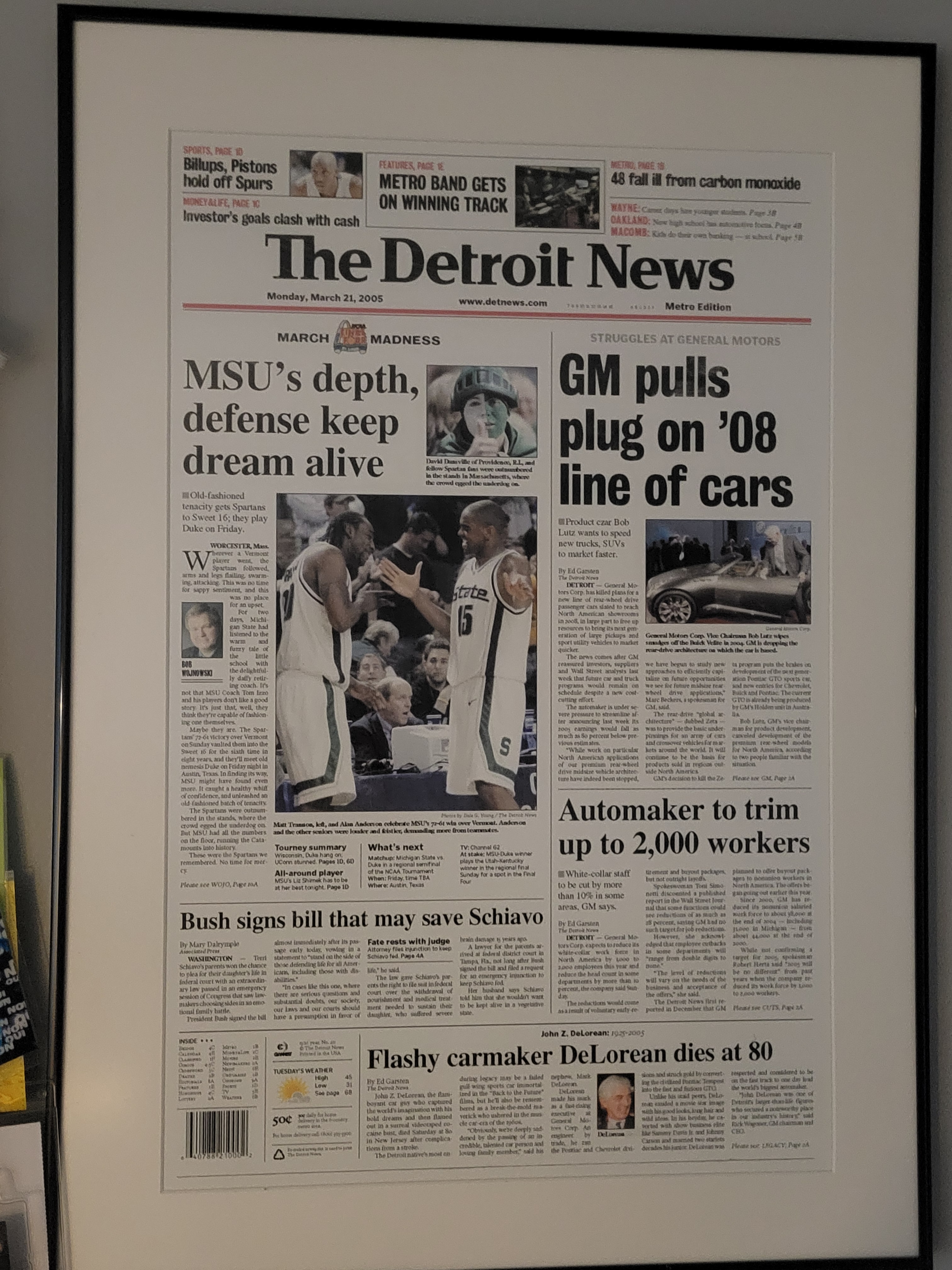
My highlight at the Detroit News was landing three page one bylined stories I in the same edition. The managing editor awarded me a framed copy of the page and told me it was only the third time that feat had been accomplished since the 1930’s.
What made it an even bigger feat, for me, anyway, was that one of those stories was written while I was prepping for a colonoscopy. Hey..breaking story.
I worked at the Detroit News for three years to the day, from August 23, 2002-August 23, 2005, when I left to accept the intriguing position to manage and write then, DaimlerChrysler’s first blog.
I stayed at the automaker through its changes for 11 years until I retired in 2016 as head of its digital communications team.
In my semi-retirement I’ve been writing mobility stories for Forbes.com.
But I credit my brief time at the AP, and longer time at the Detroit News for giving me the experience, confidence and education to successfully make the transition from broadcast to broadsheet to web.
I do miss the format of TV news at times, but those days are long passed. It’s mainly live shots and one-man band crews where the reporter is also the shooter and editor and my ego doesn’t require that sort of satisfaction.
I’m perfectly satisfied crafting stories with words and facts and sparing the public my aging puss.
But hell, I still carry a little powder in my go-bag. Ya never know when a lens is lurking.
I know print editions of newspapers are an endangered species, giving way to online delivery. Yes, it’ll be sad when I can’t spread my morning paper out while I’m slurping my Cheerios but what really matters is the reporting and public service.
We need newspapers in any format and I sincerely hope our two newly independent papers here in Detroit flourish and continue to bring us their great reporting for many years to come.
44 Years Since CNN Took A Chance on Me
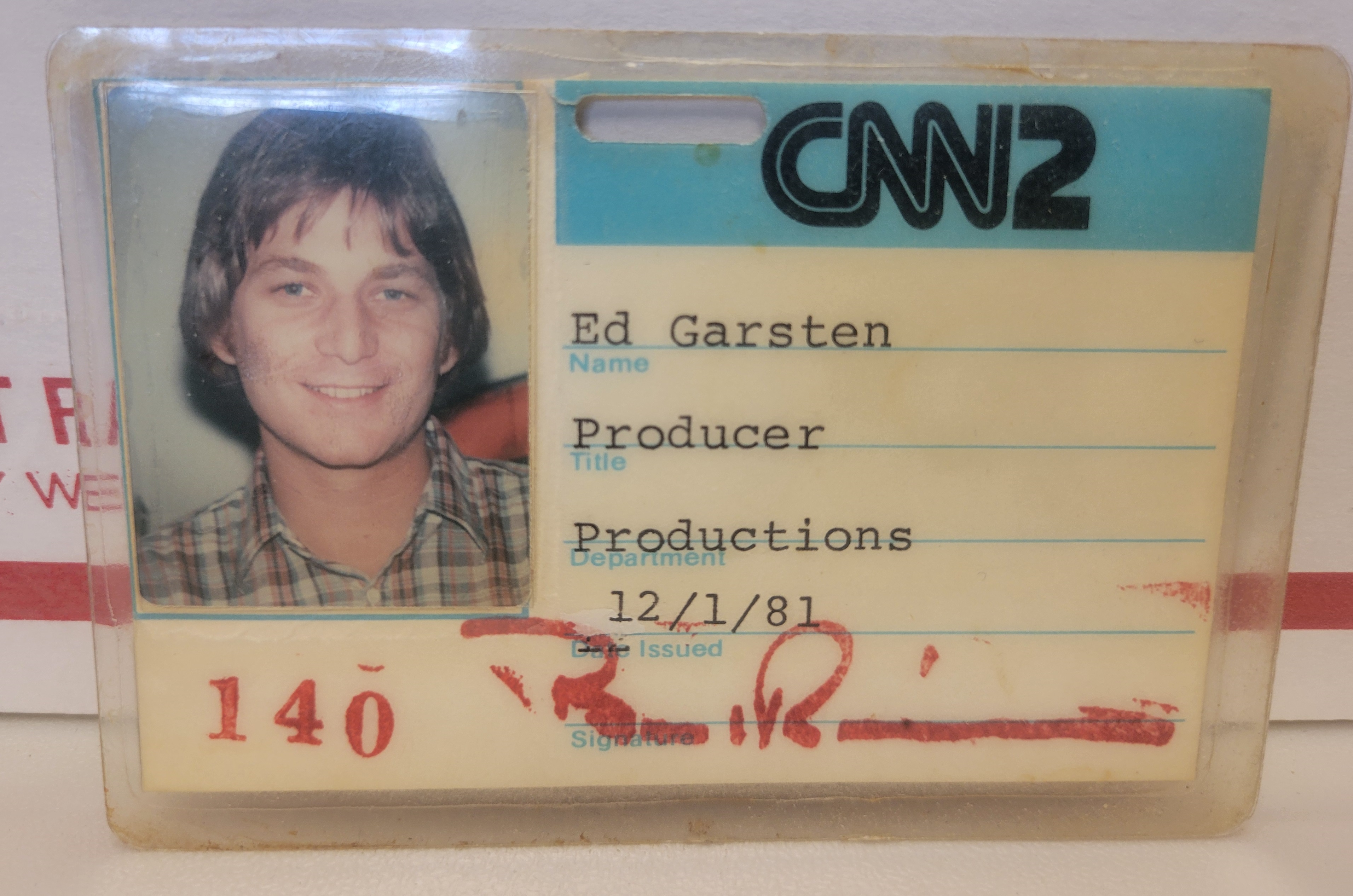
The ID badge is dated December 1, 1981 but November 30 was really my very first day at CNN, 44 long years ago.
It was a rainy day in Atlanta. I was alone in beautiful apartment with just a sleeping bag, air mattress, lawn chair, 19-inch TV and a cardboard box that served as table for eating, and some clothes. All my other stuff was in Tucson, Arizona, along with my wife, who flew back there to sell our little adobe block house. She was gone for three months, along with my stuff.
By the time our house was sold and my wife, and belongings and furniture arrived with her, that poor cardboard box was a greasy mess from its use as my dining room table/foot stool.
I was hired as one of the 10 original producers to launch the new network, CNN2, which eventually became Headline News.
If the bosses really knew how much experience I had producing television newscasts I’m sure they would have sent me on my way, but I fooled them with a kickass tape of my newscasts at KGUN, the ABC affiliate in Tucson.
You see, I joined the station doing weekend weather while I was a grad student at the University of Arizona, earning my Masters in Journalism. It was a way in. Within six months I was hired as a full-time reporter, which was my real goal.
That was going along fine when one day the news director called me in and said our longtime producer with 20 years experience had suddenly quit to take a job at a station in Phoenix and he’d love it if I took over.
Pretty funny. I’d never produced a TV newscast in my life.
“Oh, John will train you!”
He did. My first newscast after he left Ronald Reagan was shot. This was March, 1981.
CNN signed on June 1, 1980. I couldn’t watch it because our local cable system didn’t carry it, but I could catch little CNN news briefs on TBS, which was also part of the Turner Broadcast System.
One of the first anchors CNN hired was Lou Waters, who was the news director/anchor at our cross-town rival in Tucson, KOLD. He brought along his producer, Faye, who happened to be a great friend of our main weather caster Linda Rhodes, who formerly worked at KOLD.
That October, Linda tells me Faye tipped her off that CNN was starting a new network and needed producers. Was I interested? Uh, sure. Hell, I had a “solid” six months of experience. I was ready for the network!
I called the number Faye provided to Linda who gave it to me and next thing I know I’m on a flight to Atlanta on a Sunday. I was interviewed by every living body including the president of CNN at the time, Reese Schonfeld. We hit it off because I told him I worked at a radio station in Fulton, New York right out of college and damn, that’s where his wife was from!
I fly back to Tucson that evening with no expectations of landing the job, but the next morning, Burt Reinhardt, the top money man at the network, and successor to Schonfeld as CNN president calls me and offers me the job. Show up on November 30th.
I did, but it things got off to a clumsy start. Having worked in Arizona where no one gets dressed, I show up in a button down shirt, corduroy jeans and very comfortable shoes. Everyone else is in suits, ties, dresses and smirks, directed at me.
My boss, Ted Kavanau, a news legend from NYC, smiles, takes me aside and kindly mentioned, “as you can see we have a dress code.” Would have been nice to know in advance, but as I found out over the next 20 years, CNN was great at communicating news, just not important stuff to employees.
Ted told me to go over to the national assignment desk and ask one of the extremely busy people to explain how it worked.
I walk up to a bald guy with black-rimmed glasses and a beard and ask him the question. As he glares at my apparent insolence he barks, “you wanna know now the national desk works? Watch this!”
He then picks up the hotline to the DC bureau, starts screaming and swearing , then slams down the phone and quietly, but firmly, answers my original question with, “that’s how the fucking national desk works.”
When Ted asks me how it went I told him how my question was received. He kinda chuckled and said, “yeah, sounds about right.”
Welcome to network news.
I stayed at CNN2/Headline News for a little less than two years, producing hundreds of news casts in the most pressure-filled atmosphere you can imagine. Some producers actually broke down in tears under the pressure, others simply didn’t show up for work ever again.
In 1983 I was promoted to the main network to produce afternoon news casts, then promoted again to share producing the three hour morning show called Daybreak.
All this time, I would pick up a story here and there in hopes of moving back to reporting and by 1986 I was made a full time correspondent out of the Southeast Bureau based in Atlanta.
Here and there I would substitute anchor some newscasts and in 1989 the Detroit Bureau Chief/correspondent job opened. I tossed my tape into the ring and got the job. Been here in the Motor City ever since.
CNN dumped me and about 1,000 others during that “great” merger between parent company Time Warner and AOL in 2001, and closed the bureau.
We could have looked for work anywhere else in the country, but guess what, my family and I loved living in Michigan and I loved covering the auto industry.
Local TV wanted no part of me so I pursued print, because, let’s face it, I was never a TV star, but I could write. Best move I ever made.
It was funny, when I called someone at Ford for an interview while I freelanced for a short time at Automotive News.
“What? You write?” the guy at Ford asked. “TV guys can write?”
“Uh, yeah, I wrote every word that came out of my blow-dried head,” I replied.
“Heh,” he answered. “I thought producers wrote all that stuff for you guys.”
I had some great jobs in the print world. National Auto Writer at the AP, GM beat writer at The Detroit News, and in my semi-retirement, senior automotive contributor at Forbes.com.
But to come full circle, say what you want about what CNN has become, it opened a lot of doors for me when my time there ended there 25 years ago and still does.
The lesson I’d like to leave you all is don’t be afraid to step out of your comfort zone. Before I did the weather, I never did the weather, but I figured it out and succeeded. It led to dipping my feet into TV reporting. I sucked at first, but I received tough, but great direction from our photographers and news director.
I never produced a TV newscast but had a great teacher and got good enough to convince a network to hire me after only six months experience, and promoting me.
I never anchored a newscast when an executive at CNN saw something in me and gave me a chance. I solo anchored an hour network newscast with zero prior experience and it worked out, until the network president thought I looked a little too young. Tried to grow a beard, was too blonde..the lights washed it out.
When fate dealt me a blow I pivoted to print knowing I was a decent writer. Adjustments had to be made to transition from broadcast to print writing, but I was again lucky to have wonderful supervisors and editors to set me straight.
When I jumped to corporate PR at Chrysler, all the skills and news sense I had developed over the decades helped me succeed.
So if you’ve been laid off or otherwise “downsized,” just know you have skills that entirely transferrable and be willing to use them in different ways.
Take a chance, look beyond the obvious and usual. Not only will it help land a new gig, but it will open your life to new experiences and people and perspectives.
Most importantly, bet on yourself. The new stuff might seem challenging, scary, maybe even impossible, at first, but you know the chips in your stack.
Always, always, bet on yourself.
Refusing Role Call

I’m on Linkedin a lot to promote my Forbes.com stories and podcast, Tales From the Beat, so I see things. What I see are a ton of people who write they’re looking for “a new role.”
Of course these are unfortunate individuals who have found themselves suddenly payless because the thing they were doing to make a living was taken away from them due to firing, layoff, business failure or just bad luck.
It happened to me back in January, 2001 when I was laid off as part of the awesome merger between CNN parent company Time-Warner and AOL. I was the CNN Detroit bureau chief and correspondent at the time and was one of about 1,000 employees told to hit the road, thanks to the recommendations by an outside consultant.
So I’ve been there.
In my “role” as a father and husband I burned some of my generous severance to take my family on a vacation out to Arizona, then went to work…looking for work…a job.
The term “role” never entered my mind. I’m not an actor, although I act up some times. I actually was a speech and theater major in college until I realized I had no future as an actor because I couldn’t remember my lines. That’s one of the reasons I pivoted to broadcasting, because you get to read stuff instead of memorizing it.
But I’ve been thinking a lot about the wide use of the term “role” because, well, everyone has a role. Maybe you’re a partner, spouse, parent, mentor, individual pursuing life, support for a disabled person, confidante, conspirator. Those are all roles.
Folks, what you really need….is a job. It may not be as elegant a term as role, but it’s what you really seek.
You need a job because you don’t have one. You need a job because you need a source of income. You need a job because you enjoy working in your chosen field and it gives you pleasure, satisfaction and a sense of accomplishment.
Why do we need to use this word “role” to soften the message?
There is zero shame in admitting you need a job. There is no shame in admitting you need work. It’s what we all need unless you’re independently wealthy.
Coming out loud and clear that you’re in the job market is actually a great message. It tells prospective employers you’re ready to work and don’t mince words. Yup, no screwing around. “I need a job. I’m right for your company because I have all the skills, great employment record, list of accomplishments. I’ve thoroughly researched your company, its goals, its culture, its accomplishments and I bring qualities that will add value to the operation.
You’re not looking to play a role, you’re not looking to play at all. You’re looking to do a job and do it well in exchange for money.
Actors who play roles have understudies to step in when they can’t come to work. In real life, we don’t have the convenience of someone being paid to wait around backstage to do our jobs in case we don’t show up.
In my entire working 52 year working life, I never once said, “gotta head off to my role now!” I’ve never undergone “on the role training.”
I went to work. I underwent on the job training.
There’s no reason to substitute some sugar-coated euphemism to soften the message.
Just say what you mean. Use honest words to find honest work. You’ll always have your life’s role.
Mixus Uses the Other AI To Ensure Accuracy

In the world of artificial intelligence, when the technology spits out inaccurate information, instead of calling it what it is, a screw up, the industry invented a softer euphemism—hallucination. Those hallucinations have the potential of causing physical or financial harm, or at the least, a major embarrassment.
But a months-old startup called mixus.ai has added a very analog backstop to catching errors before they do any harm—the human brain. Indeed, its name is a portmanteau of mix and us, meaning blending artificial with human intelligence to help ensure accuracy.
The simple explanation is when a user makes an AI query, in addition to a AI-generated response mixus.ai also recommends people who have expertise, experience or knowledge on the specific topic. The user can then add those recommended people into their chat and converse with them and AI together.
Building on that original model, mixus.ai has now added an even more powerful tool it calls “colleague in the loop” AI agents, which can conduct a vast array of tasks such as generating social media posts, recruiting talent, drafting and sending emails, to name a few.
The twist is, the content goes nowhere until trusted human beings in a user’s network act as editors and fact-checkers.
“By bringing colleagues into the loop, you get the full power of AI agents, the efficiency and the time savings, etc, without any of that downside risk of AI mistakes going undetected,” explained Elliot Katz, who co-founded mixus.ai with Shai Magzimof.
Creating AI agents on mixus does not require any sort of coding or programming knowledge, just the ability to read and write.

“The beauty of this is someone who’s never used AI, someone who doesn’t even know what an AI agent is, you can create and use agents on mixus,” declared Katz, in an interview.
In the video below, Katz demonstrates how a colleague in the loop AI agent is created in mixus.
There’s no shortage of examples of the volume of AI hallucinations causing companies and individuals to swoon from their effects.
A report released in April by OpenAI, which operates the popular ChatGPT platform, revealed its o3 model hallucinated over 50% of the time, meaning every other answer was incorrect. And OpenAI’s o4-mini model performed even worse: nearly four out of five responses were wrong, meaning it fabricated answers nearly 80% of the time.
A very recent example occurred just last month when a summer reading list written by a syndicated freelance writer using AI appeared in such major market newspapers as the Chicago Sun-Times and Philadelphia Inquirer.
As reported in the Sun-Times, the writer admitted he never double-checked the results of his AI search which was incredibly unfortunate because several of the book titles in the list never actually existed, making the AI-generated summaries equally false.
Katz contends it’s an example of a situation that could have been prevented by use of the colleague in the loop system.
“They could be using mixus, and they could have rules that are brought out through mixus, that say, before you publish anything, you have to have your editor or a colleague or multiple colleagues press that verify button, meaning they’ve actually reviewed what the AI put out is real and not total slop, etc,” Katz said.
Investors are backing the mixus.ai playbook. The company just closed its $2.6 million pre-seed funding round which included participation by Liquid 2, former NFL star quarterback Joe Montana’s venture capital firm.
Access to mixus.ai is by subscription. The company offers a free, 14-day trial to individuals using a business or personal email address. After that period, anyone who wants to continue as a user will need to contact mixus for “custom pricing,” according to Katz.
Since launching late last year, mixus.ai has changed its business model from B to C, targeting consumers, to now targeting businesses, for which, errors can be more consequential according to Katz.
“We want colleagues in the loop,” said Katz. “We are working with businesses that want to deploy AI agents in a way that they don’t have to deal with these undetected AI mistakes.”
You can listen or watch the entire interview with Elliot Katz and an extended demonstration of the mixus.ai colleague in the loop AI agent creation tool in the author’s podcast Tales From the Beat.
Last Rites By the Yard–Living Through Joann’s Death Rattle
In the past two weeks I’ve witnessed the last rites given at five different locations for the same impending death carrying the same name. As former Monkee Michael Nesmith once sang so long ago, “her name was Joann…..”
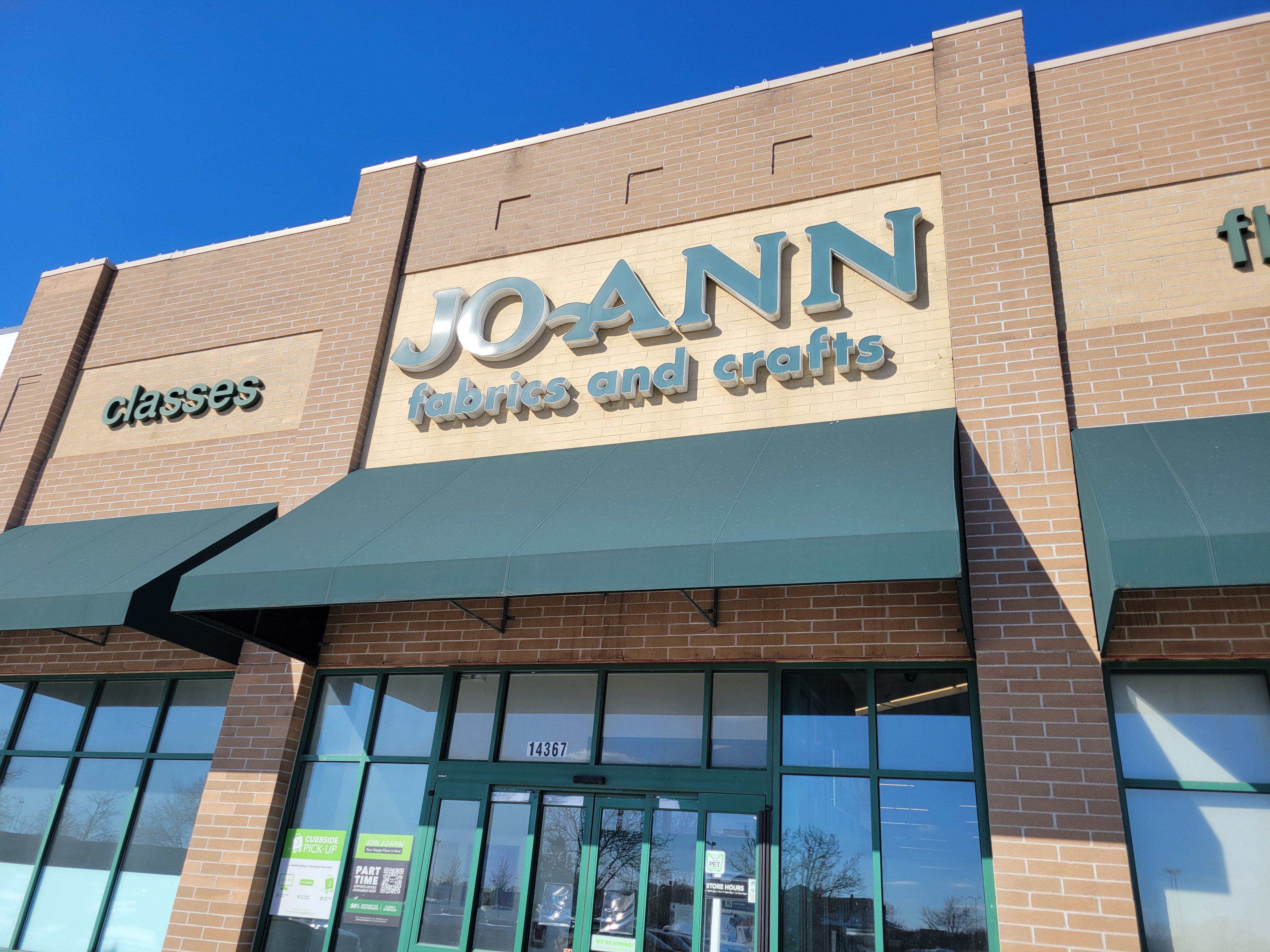
The chain of fabric and craft stores named Joann has been condemned to die by May, not because they’re not making money, but because inept management spent too much of it on stuff none of Joann’s core customers want. Stuff like home décor and nine-foot high inflatable Christmas and Halloween decorations.
No…Joann’s loyal disciples sew, craft, frame, paint, mold, bake. They’re makers.
As one bereft Joann customer noted while standing in checkout lines that extended the length of the store and curled around the rear, “we don’t want ready-made things. We’re the ones who make things and we need the materials to make them.”

My wife and daughter are among them, and that’s what led us to visiting a half-dozen Joann locations in our area, and counting.
As merely their wheelman with no aptitude whatsoever for the magic the makers conjure from the raw materials on Joann’s shelves, I could only stand by to witness the swelling desperation and despair among the talented men and women grasping at the supplies they need, as Joann breathes its final breaths.
Yes, the going out of business discounts are certainly an incentive to make multiple sorties to as many Joann stores as possible, but the urgency to stock up before Joann is shut up for good is much more organic.
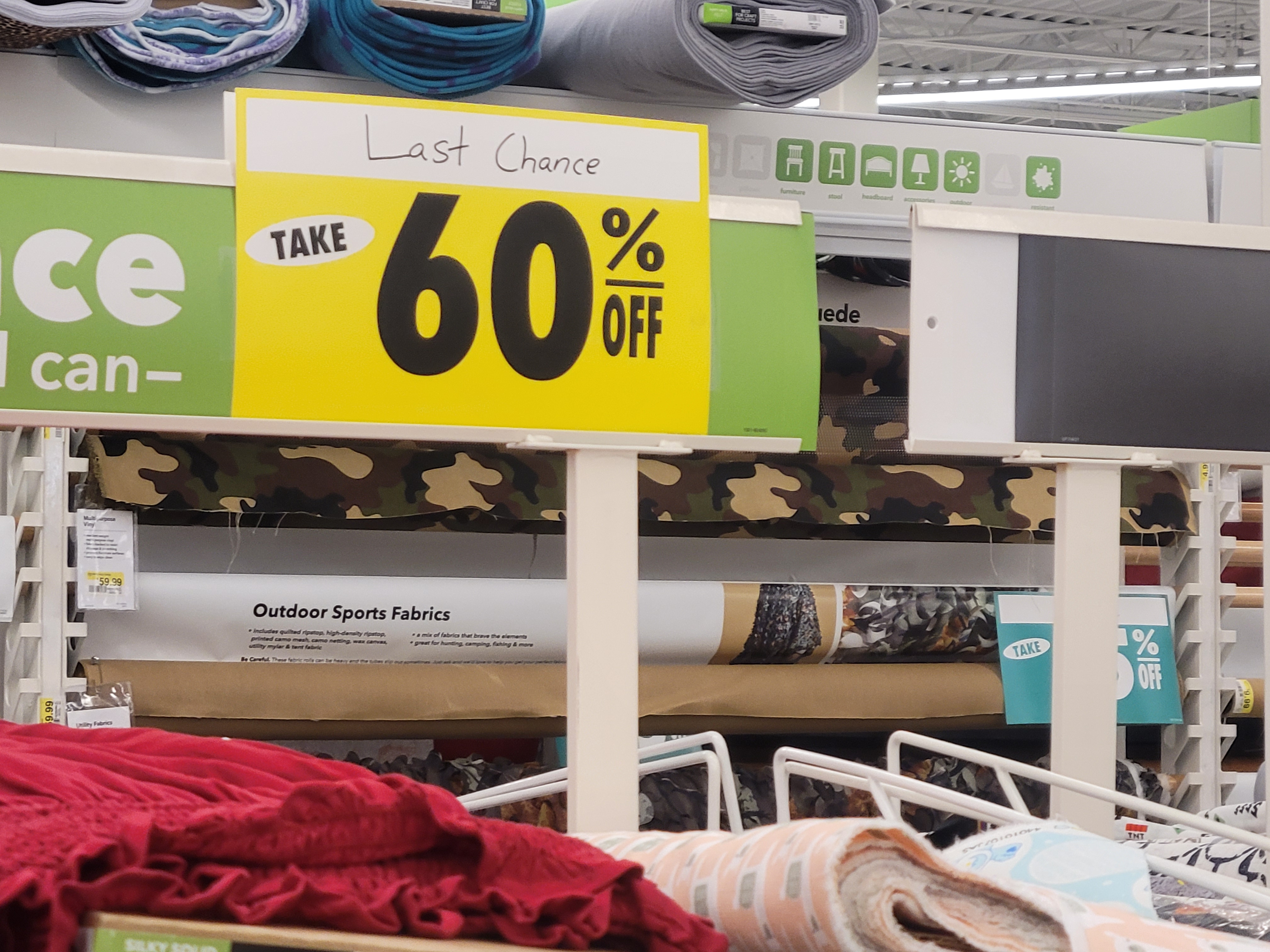
I’ve come to learn from overhearing the conversations and exclamations from the mournful makers that you simply can’t find the same type of fabric at competitors such as Hobby Lobby.
Indeed, my daughter who makes almost every stitch of clothing she wears, explained there’s fabric for crafting and fabric for apparel. It’s the latter necessary for clothing and Hobby Lobby just doesn’t stock it. Neither, I’m told do the scads of quilting shops scattered around the country.
Sure, you can certainly find apparel fabric online, but as more than one upset shopper noted while prospecting Joann’s remaining bolts, “you have to feel the fabric!” Indeed.
The impending death of Joann also means imminent unemployment for thousands of its workers, many of whom are running out the clock staffing the stores until the ultimate closing time.
It’s not easy. Each day closer to the end the crowds are becoming denser, patience is getting thinner and emotions are growing more raw.
When one customer barked at a harried staffer about some perceived mistake, the poor worker sadly offered, “I’m trying really hard here.” The customer felt equally as bad for snapping and apologized.
But there are testimonies from fed up workers that some customers hoping to land last-minute bargains are downright disrespectful and thoughtless, such as deriding workers for the long checkout lines and waits, at times, for hours at the fabric cutting tables.
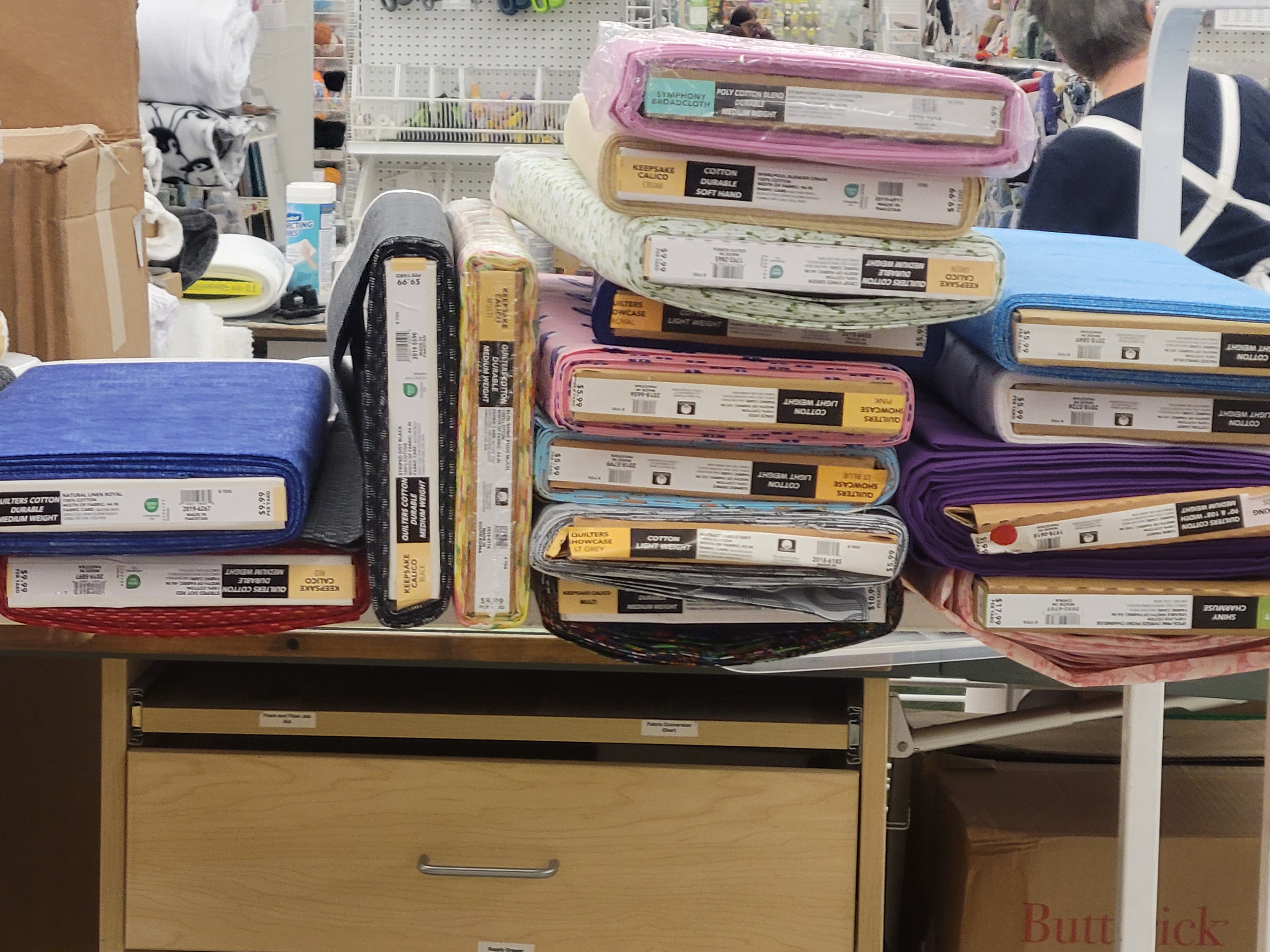
One, cutting table staffer wrote in Reddit, she simply walked off the job after one abusive customer too many.
It didn’t have to be this way. At an auction, a company willing to keep at least some Joann locations alive lost out to a liquidator that makes its blood money by selling off whatever assets it can before trashing them—basically selling the carrion of a dying chain. What a waste on so many levels.
I don’t know how many more Joann stores we’ll visit before there’s nothing left worth waiting in line to buy. But as long as my wife and daughter want to try their luck as they squirrel away the precious supplies they need while they’re available, I’m happy to be their driver.
Oh, I let them be while they shop. Sometimes I escape for a bit to another store in the shopping center or just take a walk. But I do find fascinating the myriad of gadgets, devices, tools, implements of which I have little to no idea of their use or function.
I’m always drawn to the giant board from which the things they call “notions” are hanging.
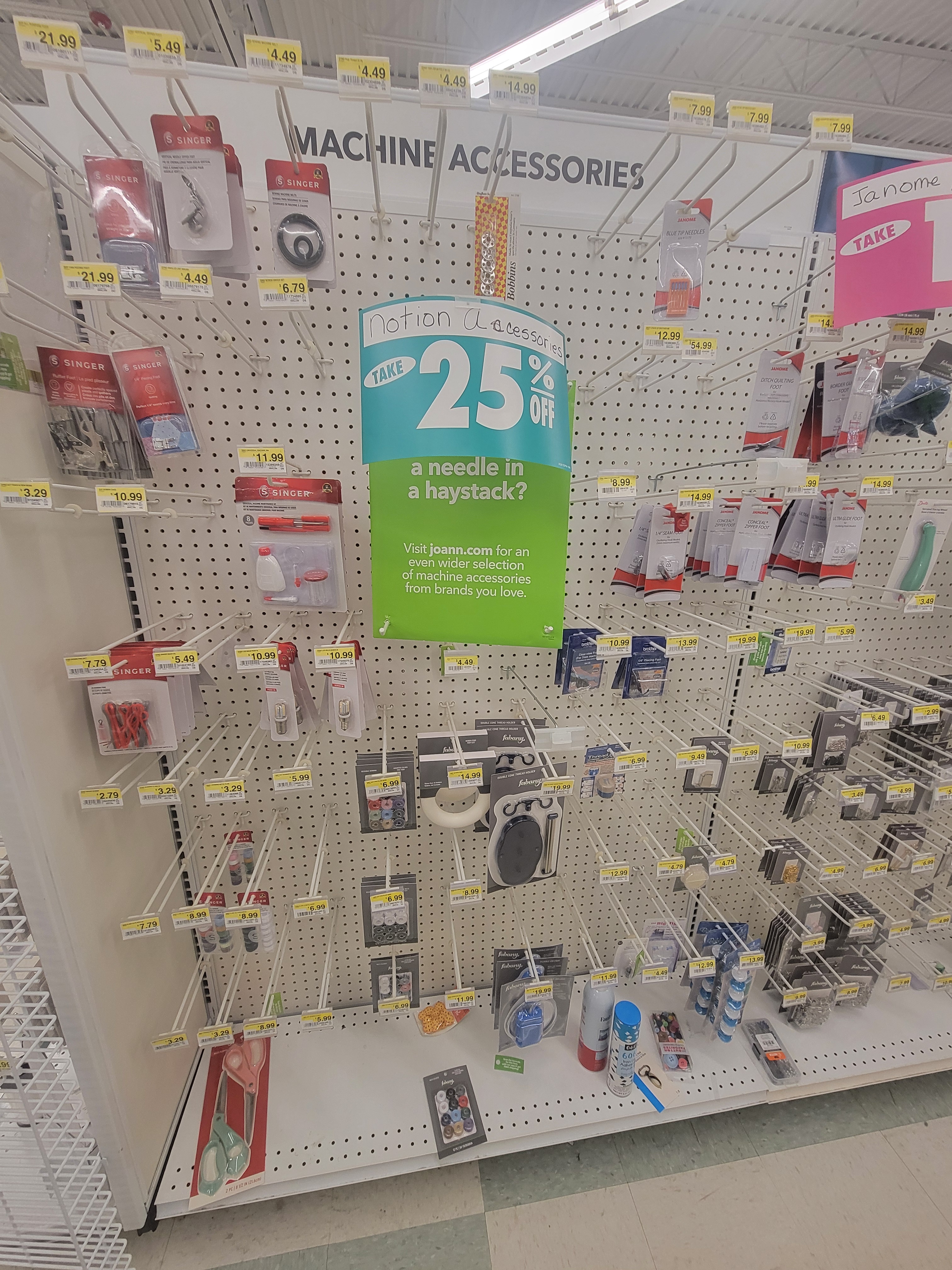
I honestly have no, um, notion, what the stuff is for but it’s fun to wish you knew just so you could work it into a conversation at a bar to attenuate some braggart’s bluster with something like, “heh, but I scored some kickass notions yesterday.” Only to see the wuss back down and plead, “Where, or where?” I smugly reply, “Joann, jerk.” He buys the next round.
Effin’ A!
You know, it’s really hard, day after day, watching so many people at loose ends literally grasping at straws, fabric bolts, buttons, needles and patterns before Joann breathes its last breaths.

Come May it will be RIP for Joann…rest in piece… goods.
Party Pooper
My wife likes purple. I thought it would be cool if I tossed a bag of purple candy in her Christmas stocking. I looked in every supermarket and big box store but purple colored candy just wasn’t something any of them offered. Online wasn’t an option. Christmas was just a day away and I don’t fall for the “Prime” extortion.
I was about to give up when I decided to try my luck in a store that was all about celebrating, since purple seemed to be a celebratory color, if not exactly appetizing.
Yes, Party City had bags of it. Tubes of it. All the purple M&Ms any number of humans could desire simultaneously. It had so many pieces of purpley pills that would melt neither in ones mouth or hands I had to contain myself. Hell, I wanted to toss myself a party for popping into Party City. It would be a theme party with purple hats, cups and paper plates and plastic utensils. Everyone I invited could take a whack at a purple pinata in the shape of a lavender lizard. I wouldn’t even have to leave Party City to get all that stuff because it was all there.
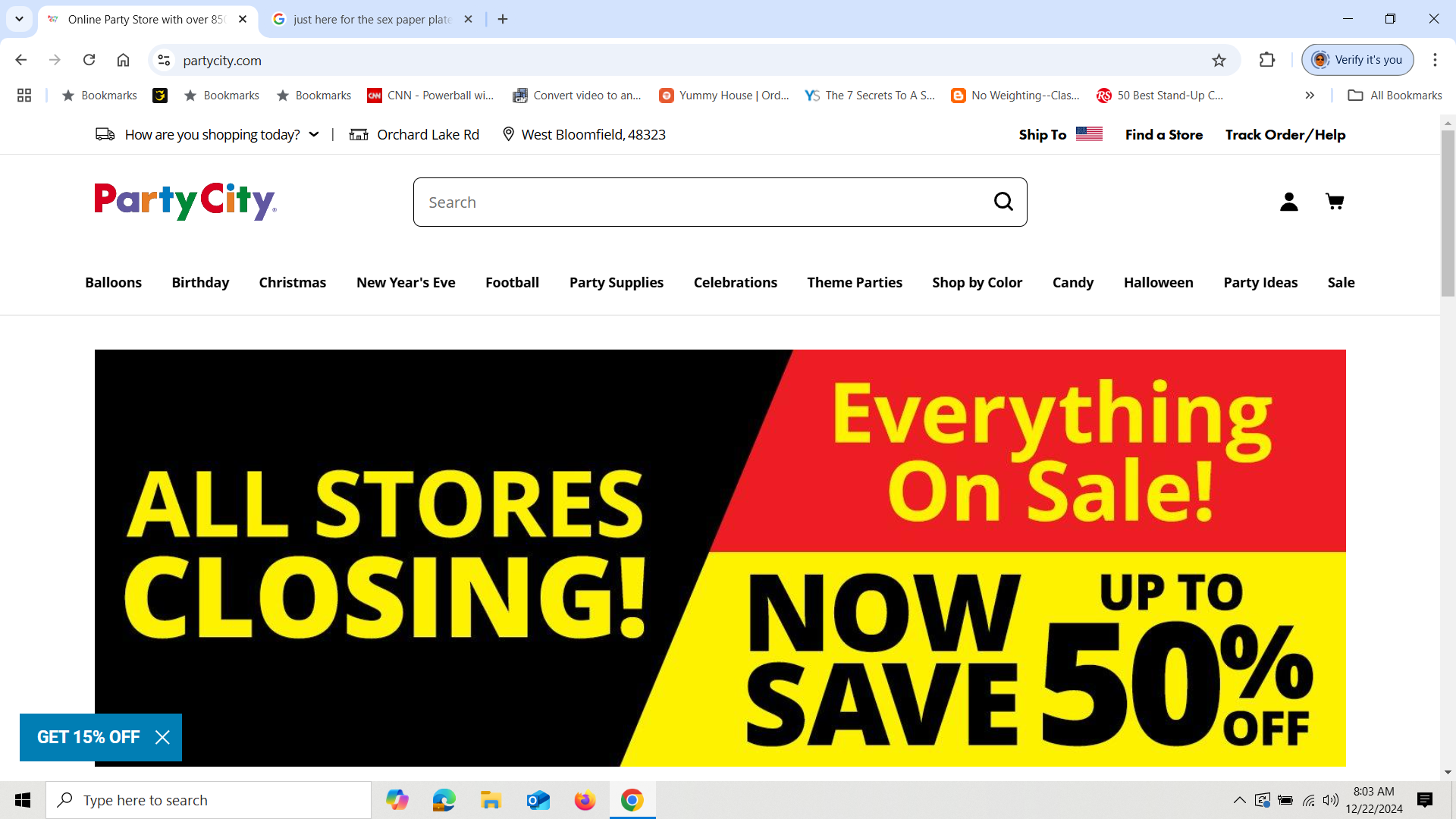
In fact..on the Party City website you could actually search for stuff not only by theme or occasion, but by color. Click on purple and voila, it’s a grape new world!
Now the suits who run Party City say the entire chain is closing down. They say the Party City poopers are discount stores, online marketplaces, people not throwing parties at all that require bundles of balloons or paper tablecloths and napkins with pictures of ponies or super heroes.
What are kids doing for birthday parties? Maybe there’s an app for that, like everything else. How do you play pin the tail on the donkey—close your eyes and take a poke at a smartphone screen? Feels ass-backwards.
Where do you get party favors? You know, those little tchotchkes you give each kid who is sure to either break it or choke on it before the candles are even lit? I’m told you can get that stuff at “dollar” stores. Heh. Even those have given up the ghost now charging at least a buck-twenty-five for their wares that were barely worth a single in the first place and it’s never as cool or in the variety Party City offers.
I always enjoyed watching some poor mom or dad trying to schlep out to their car with a bundle of a dozen helium balloons, struggling to get out the door without cursing as that big Mickey Mouse one got loose and headed to oblivion in the troposphere.
Where do you even buy helium-filled balloons now? When I was growing up long ago, Party City didn’t yet exist. It was hard to find a place to buy helium balloons, so my father figured out if you rub an inflated balloon on your pants it created enough static electricity for the balloon to stick to the wall…for about 10 minutes.
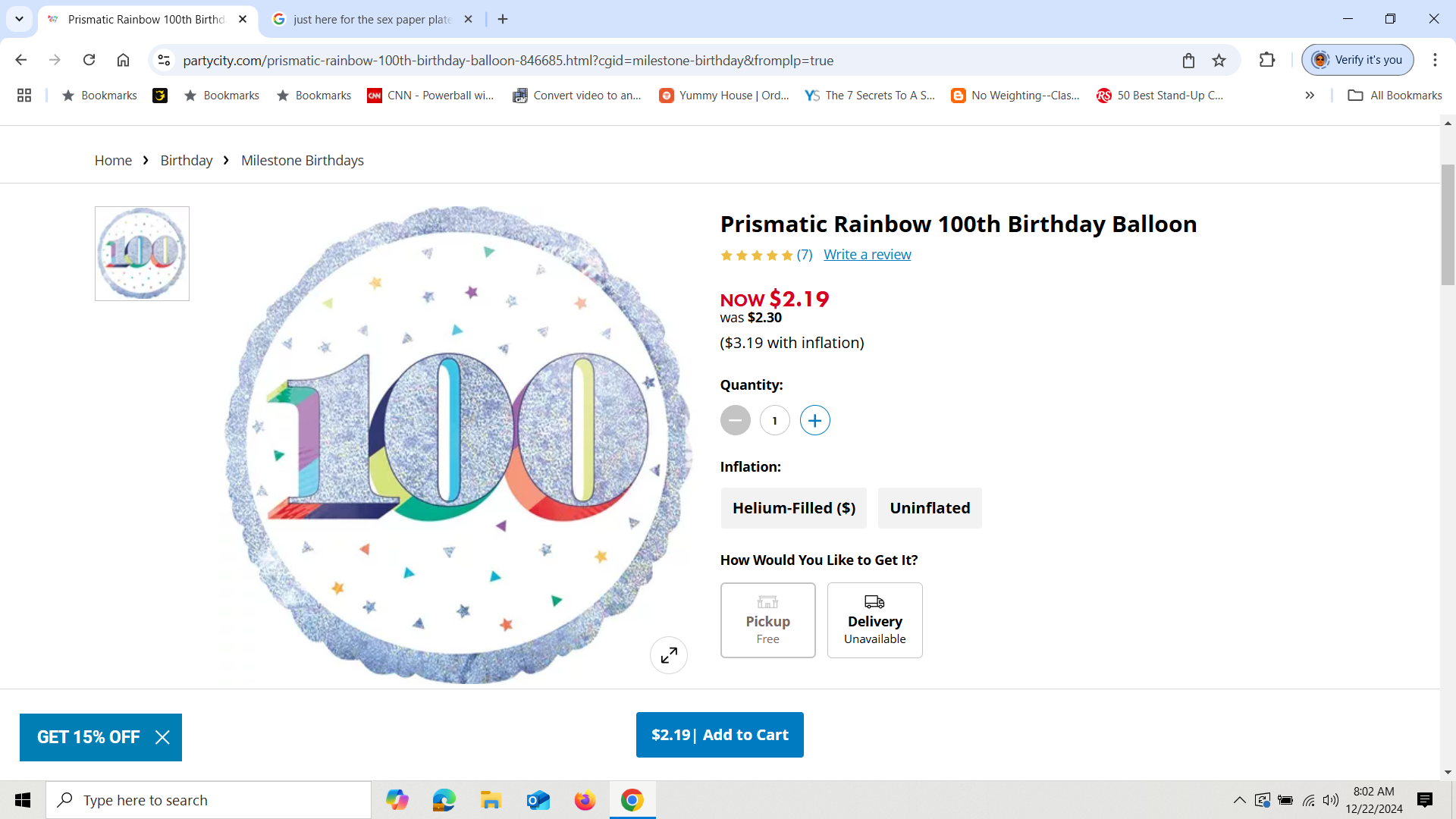
Oh, you might find another store that sells helium-filled balloons but only Party City has them for every freakin’ age decade–although I’d be afraid to buy one for someone turning 80. The damned thing bursts, scares the crap out of the new octogenarian, that’s their last birthday. Too bad because Party City has balloons for when you turn 90 or 100. So deflating.
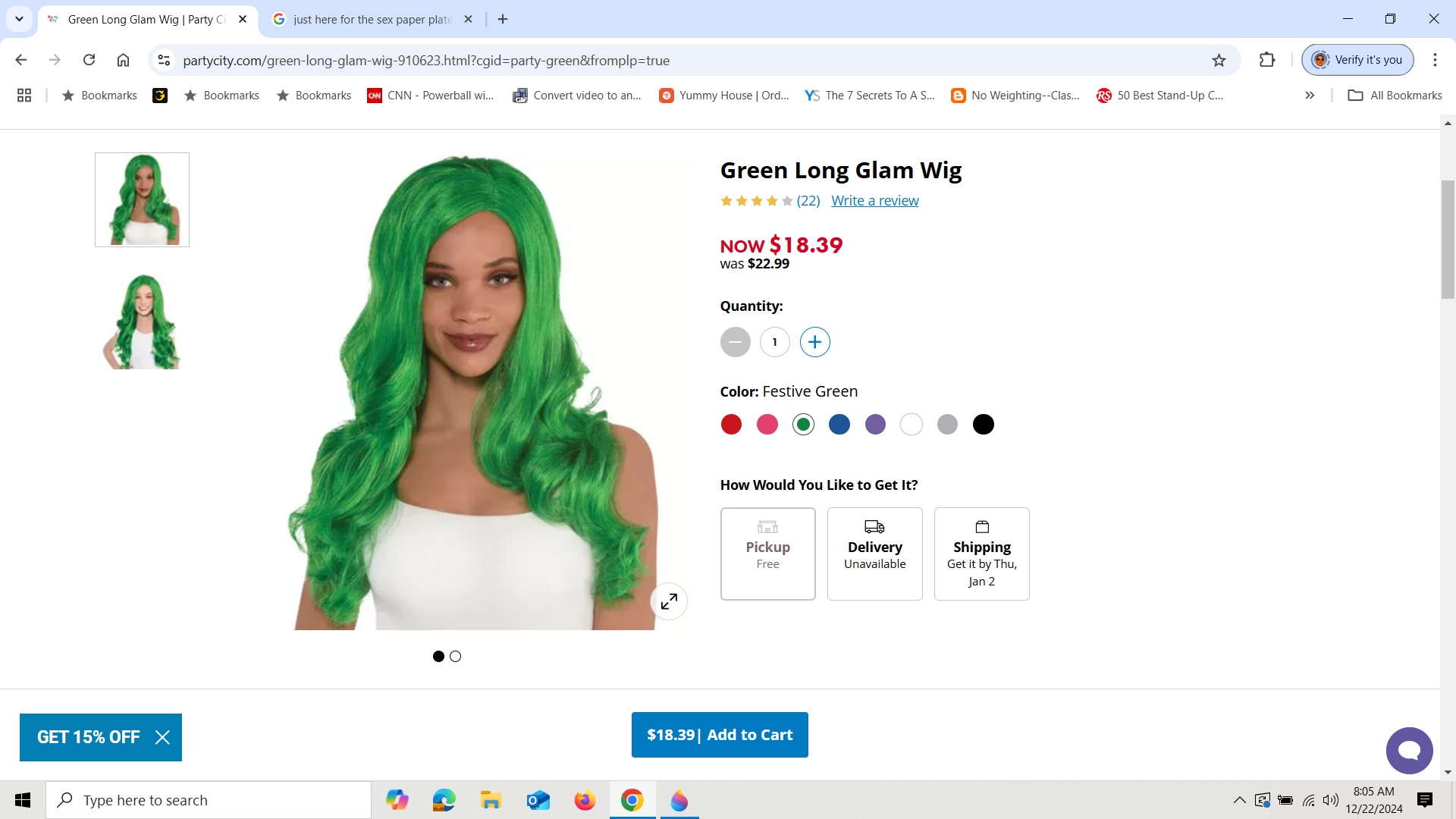
I’m not much for dressing up for Halloween, or even to go to the store, but hell, you never know when you’ll get the yen to pop on a Green Glam Wig when you’re too lazy or late to wash your hair..or you just wanna look greeny-glam.
I never really got the thing with “gender reveal” parties. I mean, when we had our kids the nurse or doctor just kinda looked, er, under the hood, when the cherub made his or her way into the world from the tunnel of love. But nowadays couple want to know in advance so they can decorate the nursery gender-specifically, advise attendees to their baby shower not to gift jock straps when they know the lil’ darlin’ about to emerge will have nothing to strap in.
I know, I know. You can find them online. I did, but hell, you don’t get the satisfaction of watching the smirk on the face of the pimply teen-aged cashier or the opportunity to tell a bad dad joke while cashing out. “Yeah, the wife and I are celebrating our second honeymoon. Heh-heh.” Then you apologize as the kid makes some rude remark about Boomers.
Sure enough, Party City carries just the right accessories for gender reveal soirees. I love the paper plates that say, “just here for the SEX.” Heh. I’m here for that! Where will you buy those now?

I could go on and on about all the party paraphernalia at Party City, but you get the idea. We’re just losing too many go-to chains that we long depended on for one reason or another, like Big Lots—cheap stuff, tacky furniture, giant containers of cajun snack mix and a hundred varieties of ear buds and pods for Keurigs.
But I mourn the passing of Party City the most. It’s not that I visited the store very often, but sometimes it’s just nice to know a place like that is there when you need it. Like when your partner in life decides she has a new favorite color M&Ms, or when a friend turning 100 boldly requests a helium balloon and doesn’t care if it bursts, because they can’t hear it anyway.
So long, Party City. I’d say “party’s over” but that’s just too trite..and I won’t be party to that.
 edLINES